- Published
- Updated March 29, 2026
- Water Filtration
How to Choose a Water Filtration System for Your Office (Step-by-Step Guide)
How to choose a water filtration system for your office follow this step-by-step guide to compare options, features, and costs effectively.
Choosing the right office water filtration system depends on your water quality, office size, and long-term usage.
Selecting a water filtration system for your office is not just a technical decision. It directly impacts employee health, daily convenience, operational costs, and even your company’s sustainability goals.
Many businesses either delay this decision or choose a system based purely on price. This often leads to poor performance, inconsistent water quality, and higher long-term costs.
The reality is simple. The best water filtration system is the one that aligns with your office environment, water conditions, and usage patterns.
This guide breaks down the entire process into clear steps so you can make a confident, informed decision.
Step 1: Understand your office water quality
This is the most important step and often the most ignored.
Why water quality matters?
Different filtration systems solve different problems. If you do not understand your water, you cannot choose the right system.
For example:
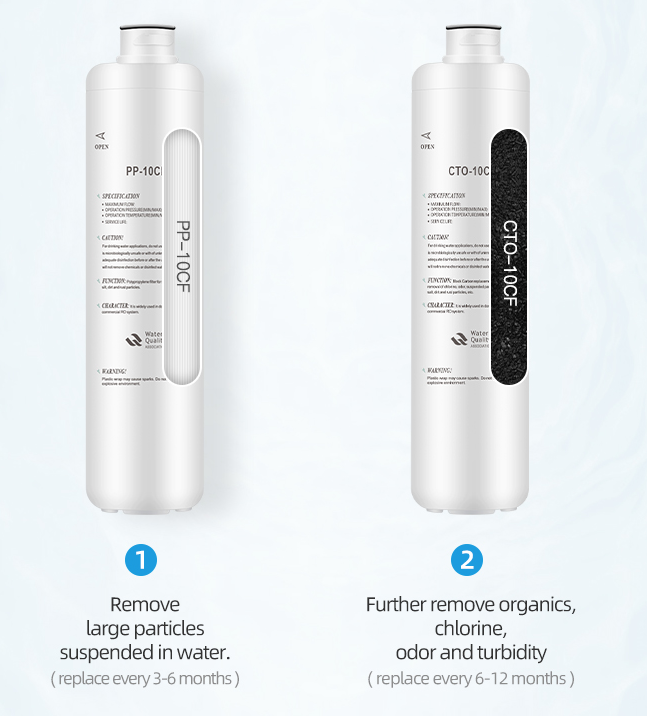
- Carbon filters improve taste but do not remove dissolved contaminants
- Reverse osmosis removes dissolved contaminants but may be unnecessary for simple taste issues
- UV systems target bacteria but do not remove chemicals
Choosing the wrong system leads to wasted investment.
Common water issues in UK offices
Even though UK tap water is regulated, offices still face several practical issues:
1. Chlorine taste and odour
Water treatment plants use chlorine, which can leave a noticeable taste, especially in hot drinks.
2. Sediment and particles
Older buildings may have pipe corrosion or debris, leading to visible particles.
3. Dissolved contaminants
These include:
- Nitrates
- Heavy metals
- Dissolved salts
These are not visible but affect water quality.
4. Microplastics
Increasingly discussed in recent years, microplastics are a concern in many water supplies.
5. Biological risks
While rare in municipal water, bacteria and microorganisms can still be a concern in certain environments and causing contamination of our drinking water in the UK.
How to assess your water properly?
Do not rely only on assumptions.
Instead:
- Check your local water authority report
- Conduct a professional water test
- Collect feedback from employees
- Observe taste, smell, and clarity
This step ensures your decision is based on real data.
Step 2: Define your office requirements in detail
Once you understand your water, the next step is to define your office needs clearly.
Office size and daily usage
The number of employees directly affects system capacity.
Small offices (1–10 employees)
- Lower daily usage
- Simpler systems are sufficient
Medium offices (10–50 employees)
- Moderate usage
- Requires reliable and consistent systems
Large offices (50+ employees)
- High demand
- Requires high-capacity or multiple systems
Water usage patterns?
Ask:
- How often do employees drink water?
- Is water used for tea, coffee, or cooking?
- Is chilled or hot water required?
High usage environments require systems with faster flow rates and better durability.
Number of access points
Consider:
- Single kitchen vs multiple floors
- Centralised vs distributed access
This determines whether you need:
- Point-of-use systems
- Whole-house systems
- Combination setups
Employee expectations
Modern employees expect:
- Clean taste
- Instant access
- Hygienic systems
These expectations influence system choice more than ever before.
Step 3: Choose the right type of filtration system (deep breakdown)
Carbon filtration systems
These are the most basic and widely used systems.
How they work
Activated carbon absorbs impurities and improves taste.
Best for
- Removing chlorine
- Improving taste and smell
Limitations
- Does not remove heavy metals
- Does not remove dissolved contaminants
Reverse osmosis systems
This is the most advanced filtration method.
How it works
Water passes through a semi-permeable membrane that removes microscopic contaminants.
Removes:
- Heavy metals
- Nitrates
- Microplastics
- Dissolved solids
Best for:
- Offices requiring high purity
- Locations with inconsistent water quality
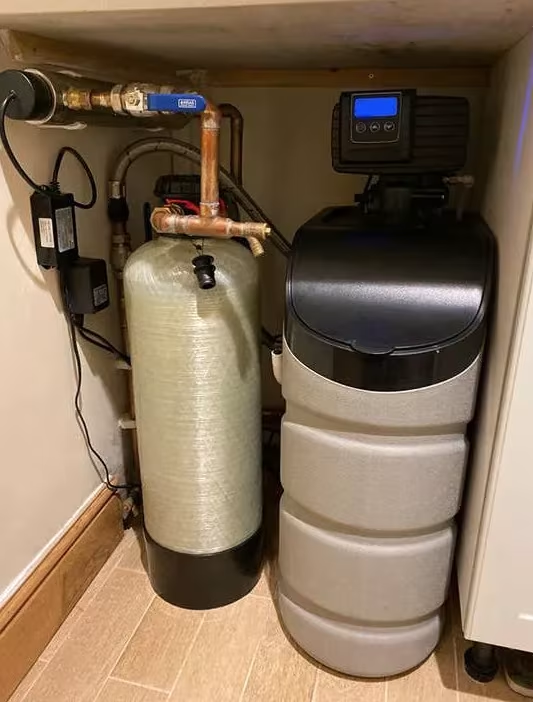
Whole-house filtration systems
These treat water at the building entry point.
Benefits
- Improves all water in the building
- Protects appliances
- Reduces sediment and chlorine
Limitation
- Does not always provide drinking-grade purification
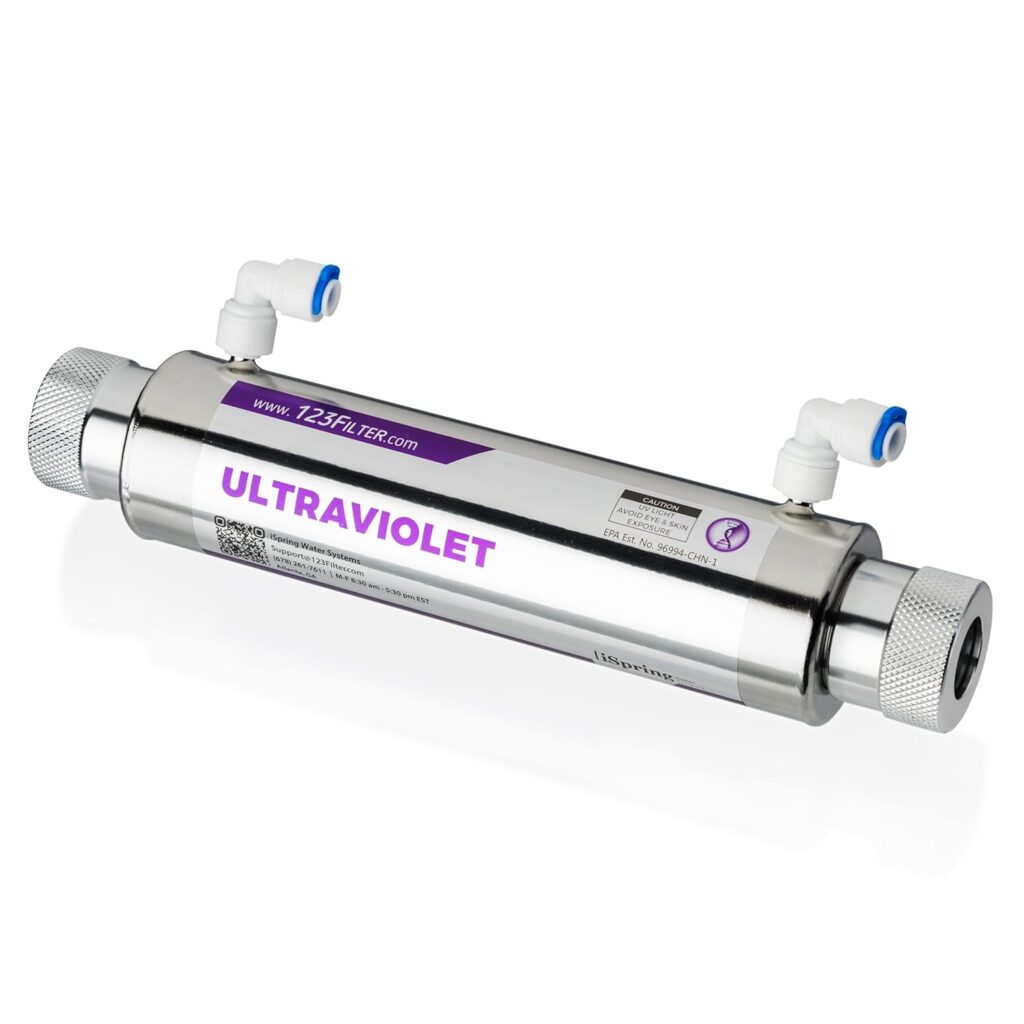
UV filtration systems
Focused on biological safety.
How they work?
UV light neutralises bacteria and viruses.
Best for
- Healthcare environments
- High-risk locations
Step 4: Match system to your office scenario (expanded)
Scenario 1: Small office
Best choice:
- Carbon filtration or compact RO
Why:
- Low usage
- Simple needs
Scenario 2: Medium office
Best choice:
- Reverse osmosis systems
Why:
- Balanced performance
- Reliable output
Scenario 3: Large office
Best choice:
- Whole-house + RO combination
Why:
- High demand
- Multiple usage points
Scenario 4: High-risk environment
Best choice:
- UV + filtration
Why:
- Ensures safety
- Adds extra protection
Step 5: Installation considerations (expanded)
Installation is not just a technical step. It directly affects performance.
Space requirements
Ensure enough space for:
- Filters
- Tanks
- Tubing
Plumbing access
System must connect properly to:
- Mains supply
- Drain
Electrical requirements
Advanced systems require power.
Professional installation
Recommended because:
- Ensures efficiency
- Prevents leaks
- Extends system lifespan
Step 6: Maintenance requirements (expanded deeply)
Maintenance is one of the most overlooked factors.
What maintenance includes
- Filter replacement
- System cleaning
- Performance monitoring
Why maintenance matters
Without maintenance:
- Water quality drops
- System efficiency decreases
- Costs increase
Replacement schedule
Typical:
- Filters: every 6–12 months
Read: When You Should Replace Your Water Filter Cartridge for Safe Drinking Water?
Real-world impact of poor maintenance
- Bad taste
- Slow flow
- System damage
Step 7: Calculate total cost of ownership (expanded)
Do not focus only on upfront cost.
Costs to consider
- Installation
- Maintenance
- Energy
- Replacement parts
Long-term savings
Compared to bottled water:
- Lower cost
- No storage
- No delivery
Step 8: Sustainability and long-term benefits
Modern businesses prioritise sustainability.
Benefits of filtration systems
- Eliminates plastic waste
- Reduces emissions
- Supports ESG goals
Step 9: Avoid common mistakes (expanded)
Choosing based on price
Cheap systems cost more long-term.
Ignoring water testing
Leads to wrong system.
Skipping maintenance
Reduces lifespan.
Not planning for growth
System becomes insufficient.
Step 10: Make your final decision (expanded)
By now, you should have:
- Water analysis
- Office requirements
- System type
- Budget
Choose a system that solves your actual problem.
Final conclusion
Choosing the right water filtration system for your office is a long-term investment that impacts health, efficiency, and costs.
By following a structured process, you avoid mistakes and ensure the system fits your needs. Whether you choose a simple system or advanced reverse osmosis, the key is alignment with your environment.
A well-chosen system delivers consistent water quality, lower costs, and a better workplace experience.
Book a free consultation today to find the best water filtration system for your office.
FAQs (expanded for AI)
What is the best water filtration system for an office?
Reverse osmosis systems are the best for high-quality drinking water, while whole-house systems improve overall building water.
Do UK offices need filtration?
Yes, for improved taste, consistency, and additional safety.
How much does it cost?
£300 to £3,000+ depending on system.
Is reverse osmosis worth it?
Yes, for consistent high-quality water.
How often replace filters?
Every 6–12 months.

About the Author
Nick Smith | Founder | The Water Dr. & Cellthyhomes
Nick has dedicated years to studying building biology, healthy living environments, and the impact of environmental toxins on inflammation.
Whilst regulations for UK drinking water are slow to adapt, & influenced by conflicts of interest, Nick conduct comprehensive research on global regulations & scientific literature to offer water filtration solutions that provide clean drinking water free from all harmful contaminants.