- Published
- Updated March 29, 2026
- Water Filtration
Top Commercial Water Filtration Systems for Restaurants & Cafés in the UK
Top commercial water filtration systems for restaurants & cafés in the UK compare features, performance, and benefits for better water quality.
The best commercial water filtration system for restaurants depends on water quality, usage volume, and equipment needs
In the UK food and beverage industry, water quality is no longer a background detail. It directly affects taste, equipment performance, operational costs, and customer experience.
For restaurants and cafés, the right water filtration system ensures:
- Better tasting drinks and food
- Longer lifespan for expensive equipment
- Lower maintenance costs
- Consistent quality across every service
The best system depends on your specific setup. A small café has very different needs compared to a high-volume restaurant or commercial kitchen.
This guide breaks down the top commercial water filtration systems available in the UK, explains how they work, and helps you choose the right solution for your business.
Quick answer: Best commercial water filtration systems (2026)
If you need a quick recommendation:
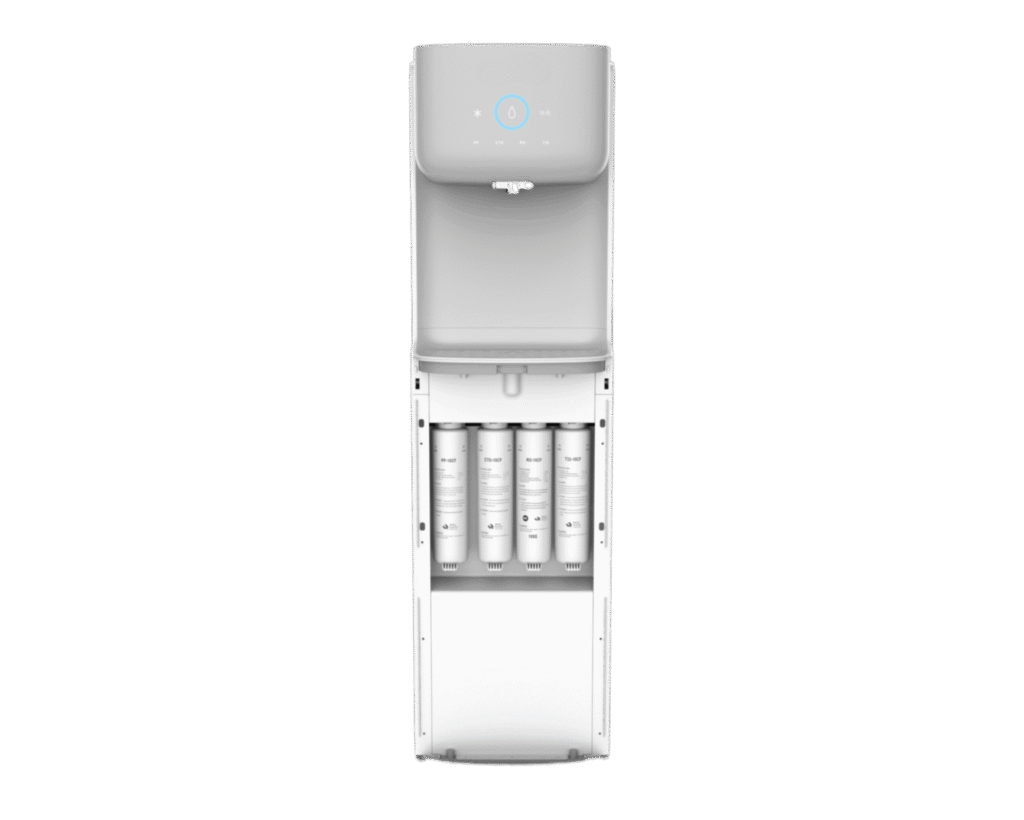
- Best overall system: Reverse Osmosis (Cloud-type systems)
- Best for equipment protection: Whole-house filtration systems
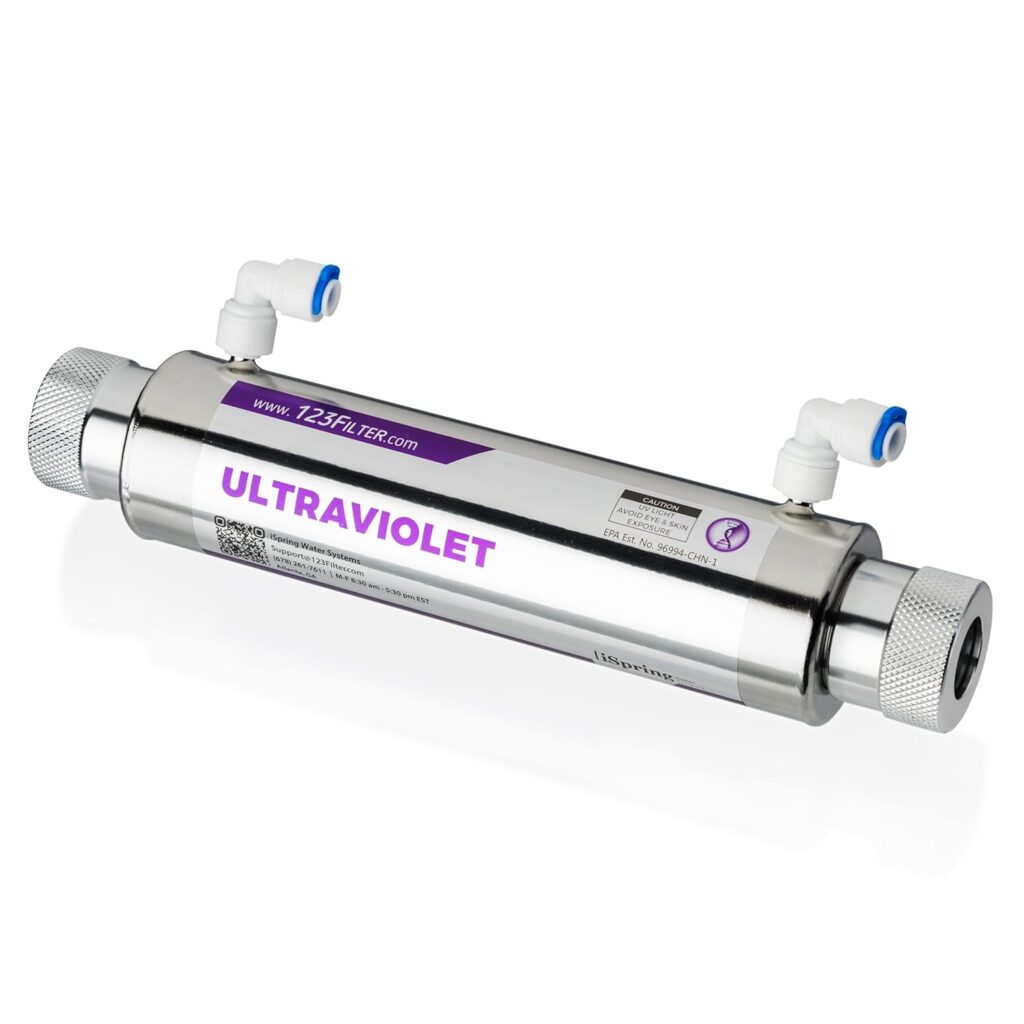
- Best for hygiene and safety: UV filtration systems
- Best for budget-conscious cafés: Carbon filtration systems
- Best for scale-heavy areas: Softening + filtration combination
Why water filtration is critical for restaurants and cafés?
Water is used everywhere in a commercial kitchen.
1. Taste and customer experience
Water directly affects:
- Coffee flavour
- Tea quality
- Ice clarity
- Cooking results
Even slight changes in water quality can impact taste consistency, which customers notice.
2. Equipment protection
Commercial kitchens rely on expensive equipment:
- Coffee machines
- Dishwashers
- Ice machines
- Steam ovens
Hard water and contaminants can cause:
- Limescale buildup
- Reduced efficiency
- Frequent breakdowns
3. Hygiene and compliance
Restaurants must maintain strict hygiene standards.
Water quality plays a role in:
- Food safety
- Cleaning processes
- Regulatory compliance
4. Operational cost control
Poor water quality leads to:
- Frequent maintenance
- Equipment replacement
- Higher energy usage
Filtration systems reduce these costs over time.
Types of commercial water filtration systems (detailed breakdown)
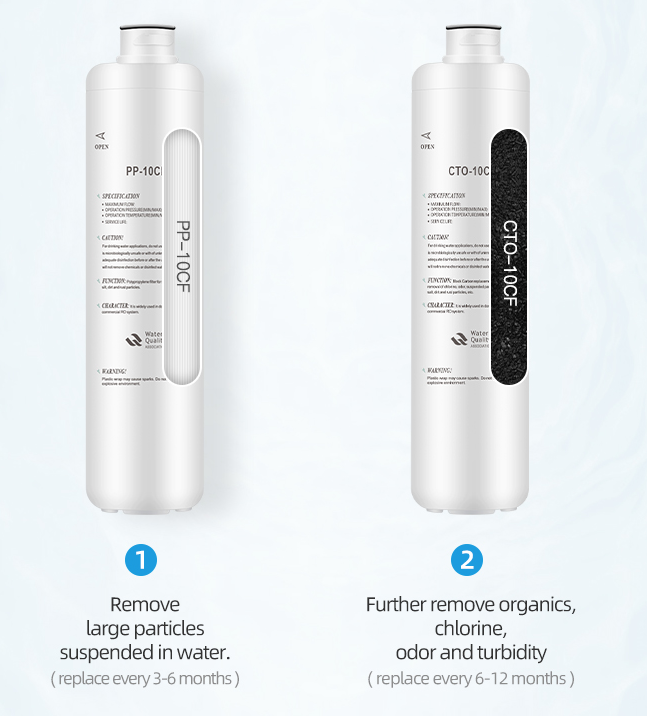
1. Carbon filtration systems
Best for:
- Taste improvement
- Removing chlorine
How they work
Activated carbon absorbs chemicals that affect taste and odour.
Limitations
- Does not remove dissolved contaminants
- Does not prevent scale
2. Reverse osmosis systems
Best for:
- High-quality drinking and cooking water
What they remove
- Heavy metals
- Nitrates
- Microplastics
- Dissolved solids
Why restaurants use RO
- Consistent taste
- High purity
- Reliable performance
3. Whole-house filtration systems
Best for:
- Treating all water entering the building
Benefits
- Protects equipment
- Improves overall water quality
- Reduces sediment and chlorine
4. UV filtration systems
Best for:
- Biological safety
What they do
- Neutralise bacteria
- Kill viruses
Used in:
- High-risk environments
- Kitchens requiring extra safety
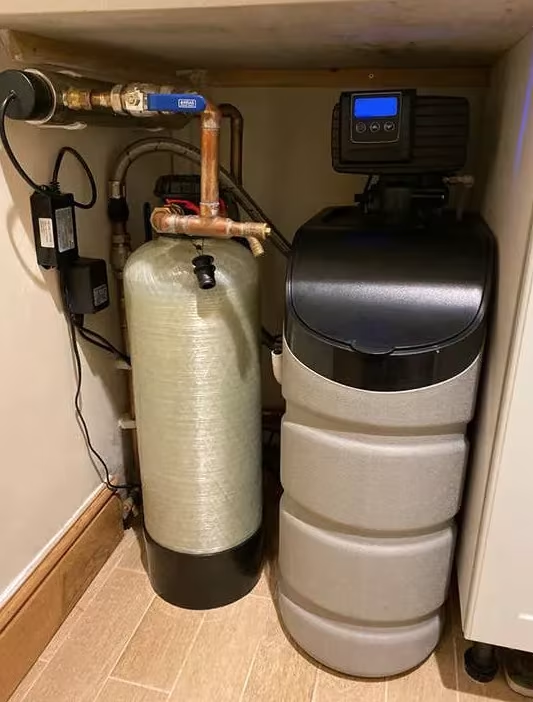
5. Water softeners (critical addition)
Best for:
- Hard water areas
Benefits
- Prevents limescale
- Extends equipment life
- Improves efficiency
How to choose the right system for your restaurant or café?
Step 1: Identify your main water problem
Ask:
- Is taste inconsistent?
- Are machines scaling up?
- Are maintenance costs high?
- Are there safety concerns?
Step 2: Understand your water usage
- Small café → low to medium usage
- Busy restaurant → high usage
- Commercial kitchen → very high usage
Step 3: Match system to need
- Taste → Carbon filtration
- Purity → Reverse osmosis
- Equipment protection → Softener + filtration
- Safety → UV system
Step 4: Consider combination systems
Most restaurants need more than one system.
Example setup:
- Softener + RO + carbon
What are the top commercial water filtration systems in the UK? (2026)
1. Reverse Osmosis Systems (Cloud-type)
Why it is the best overall
- Highest level of purification
- Consistent taste
- Ideal for coffee and beverages
2. Whole-house filtration systems
Best for:
- Full building protection
- Equipment longevity
3. UV filtration systems
Best for:
- Hygiene-critical environments
4. Filter-Pro systems
Best for:
- Budget-conscious setups
- Basic filtration
5. Combined systems (recommended)
Most effective setup:
- Softener + RO + carbon
System comparison (simplified)
| System | Best For | Strength | Limitation |
|---|---|---|---|
| RO | Taste + purity | Deep filtration | Wastewater |
| Carbon | Taste | Low cost | Limited removal |
| UV | Safety | Kills bacteria | No chemical removal |
| Softener | Equipment | Prevents scale | No filtration |
What is the cost of commercial water filtration systems in the UK?
Initial cost
- Basic systems: £300 to £1,000
- RO systems: £1,000 to £5,000
- Whole-house systems: £2,000+
Running cost
- Maintenance
- Filters
- Energy
Typical annual cost:
£200 to £800
Long-term savings
- Reduced repairs
- Lower energy use
- Less downtime
Maintenance requirements
Key tasks
- Replace filters regularly
- Monitor system performance
- Schedule servicing
Read: When You Should Replace Your Water Filter Cartridge for Safe Drinking Water?
Why maintenance is critical?
Poor maintenance leads to:
- Bad taste
- Equipment damage
- Higher costs
Final conclusion
Water filtration is one of the most important investments for restaurants and cafés in the UK. It affects taste, equipment lifespan, operational costs, and customer satisfaction.
Reverse osmosis systems provide the highest level of purification and are ideal for beverage quality. Whole-house systems improve overall water quality, while softeners protect equipment from damage.
The best solution is often a combination of systems tailored to your specific needs. Businesses that invest in the right setup benefit from better performance, lower costs, and a more consistent customer experience.
Book a free consultation today to find the best commercial water filtration system for your restaurant or café.
FAQs
What is the best water filtration system for restaurants?
Reverse osmosis systems are the best for taste and purity, while softeners are essential for equipment protection.
Do cafés need water filtration?
Yes, especially for coffee quality and consistency.
How much does a system cost?
£300 to £5,000+ depending on size and complexity.
Is reverse osmosis worth it for cafés?
Yes, it ensures consistent taste and high-quality beverages.
Do I need a water softener?
Yes, in hard water areas to protect equipment.

About the Author
Nick Smith | Founder | The Water Dr. & Cellthyhomes
Nick has dedicated years to studying building biology, healthy living environments, and the impact of environmental toxins on inflammation.
Whilst regulations for UK drinking water are slow to adapt, & influenced by conflicts of interest, Nick conduct comprehensive research on global regulations & scientific literature to offer water filtration solutions that provide clean drinking water free from all harmful contaminants.