- Nick Water DR
- Published
- Updated January 30, 2026
- Kitchen Station
Aurmina vs Traditional Water Filters: What’s the Difference
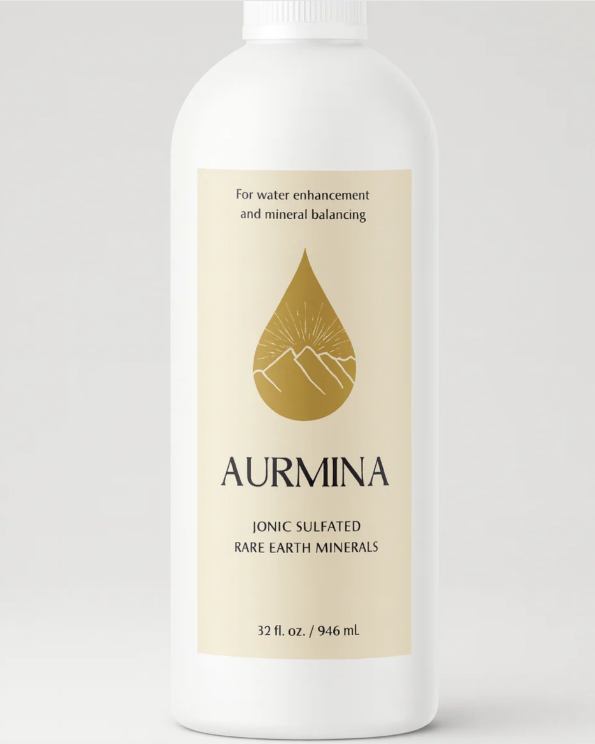
Aurmina vs traditional water filters compare performance, features, and benefits to help you choose the right water filtration solution.
Water filtration is no longer a niche upgrade in UK homes. It has become a mainstream choice for households that want better tasting water, reduced exposure to treatment chemicals, and greater confidence in what they drink every day. As this awareness has grown, so has the number of available solutions.
Alongside familiar water filters, a new category of systems has entered the conversation. Aurmina is one such system, often discussed alongside filtration but frequently misunderstood. Some assume it replaces filters. Others assume it does nothing at all. In reality, Aurmina and traditional water filters serve very different purposes.
This guide explores Aurmina and traditional water filters in depth. It explains how each system works, what problems they solve, where they overlap, and where they do not. By the end, you will have a clear understanding of which option fits your home, and why in many cases the best answer is not choosing one over the other.
Understanding traditional water filters
Traditional water filters are built around a simple idea. Remove things people do not want in their water.
In the UK, these unwanted elements usually include chlorine, sediment, organic compounds, and treatment byproducts that affect taste, smell, or appearance. Most traditional filters rely on physical filtration, chemical adsorption, or a combination of both.
Common types of traditional water filters in the UK
Traditional filters come in many forms, including:
- Jug filters placed in the fridge
- Countertop filters attached to taps
- Under-sink carbon filtration systems
- Inline kitchen filters
- Whole-house carbon filtration systems
While their designs differ, the principle remains the same. Water passes through a filter medium that captures or binds contaminants before the water is consumed.
What traditional filters do well
Traditional filters are highly effective at improving the immediate quality of tap water. They can:
- Reduce chlorine taste and smell
- Remove visible sediment and particulates
- Improve clarity
- Make water more pleasant for drinking and cooking
For many households, this alone is enough to dramatically improve their experience with tap water.
The role of activated carbon in filtration
Activated carbon is the backbone of most traditional water filters. It is created by processing carbon materials to form millions of microscopic pores. These pores give carbon an enormous surface area.
When water flows through carbon:
- Chlorine molecules bind to the carbon surface
- Organic compounds adhere to the pores
- Some chemical byproducts are reduced
This process is known as adsorption, not absorption. It is highly effective for taste and odour improvement.
However, carbon filtration has limitations. It does not remove everything, and it becomes less effective as the filter fills up, which is why regular cartridge replacement is essential.
Maintenance realities of traditional filters
One of the most overlooked aspects of traditional water filters is maintenance. Filters do not last forever. Once the carbon becomes saturated, performance declines.
Typical maintenance requirements include:
- Replacing cartridges every 6 to 12 months
- Monitoring changes in taste or flow
- Cleaning housings and fittings
Failure to maintain filters does not usually create immediate health risks, but it can result in poor taste and inconsistent filtration.
These ongoing requirements are simply part of owning a traditional filtration system.
Introducing Aurmina as a different category
Aurmina does not fit neatly into the category of water filters. This is where confusion often begins.
Aurmina does not:
- Remove chlorine
- Capture sediment
- Use carbon or membranes
- Replace filtration systems
Instead, Aurmina belongs to a category often described as water optimisation or water enhancement.
Rather than focusing on removal, Aurmina focuses on how water behaves after it has already been cleaned.
What Aurmina is designed to do?
Aurmina works on the physical characteristics of water rather than its chemical composition.
It is designed to:
- Improve taste perception
- Enhance smoothness and mouthfeel
- Support natural mineral interaction
- Make filtered water more enjoyable to drink
Aurmina does not add anything to the water and does not take anything out. It interacts with water as it flows through the system, influencing structure and mineral behaviour.
This approach is subtle but noticeable, especially when used with already filtered water.
Why Aurmina exists alongside filtration?
Modern filtration is very good at removing unwanted substances. However, many people notice that heavily filtered water can feel flat or lifeless.
Common descriptions include:
- Clean but dull
- Safe but uninspiring
- Neutral to the point of blandness
Aurmina exists to address this gap. It was developed to enhance water after filtration rather than replacing filtration altogether.
In practical terms:
- Filtration improves water safety and cleanliness
- Aurmina improves water enjoyment
Aurmina vs traditional filters for safety
When it comes to safety and contaminant reduction, traditional filters are essential.
Traditional filters:
- Reduce chlorine and treatment chemicals
- Capture sediment and particulates
- Improve confidence in tap water
Aurmina does none of this. If water is unsafe or unpleasant straight from the tap, Aurmina alone will not solve that problem.
For this reason, Aurmina should never be positioned as an alternative to filtration where contaminant removal is required.
Aurmina vs traditional filters for taste improvement
Taste improvement is where the comparison becomes more nuanced.
Traditional filters improve taste by removing substances that cause unpleasant flavours. Once chlorine and odours are gone, their job is complete.
Aurmina improves taste by enhancing how water feels and flows across the palate.
Users often describe the difference as:
- Less sharpness
- More softness
- Increased freshness
The water does not taste flavoured or altered. It simply feels more pleasant to drink.
Mineral content and how each system affects it
Traditional carbon filters generally leave minerals intact. This is a positive feature, as minerals contribute to taste and balance.
Reverse osmosis systems, by contrast, remove most minerals, which can leave water tasting flat unless minerals are added back.
Aurmina preserves all natural minerals and works with them rather than against them. It does not increase or decrease mineral content, but it supports how minerals interact within the water.
This makes Aurmina particularly appealing for people who value natural mineral balance.
Environmental impact comparison
Environmental considerations are increasingly important for UK households.
Traditional filters:
- Require regular cartridge replacements
- Generate plastic and carbon waste
- Reduce bottled water reliance
Aurmina:
- Requires no consumables
- Produces no waste
- Uses no electricity
- Encourages tap water consumption
However, Aurmina still depends on filtration to ensure water quality. From an environmental standpoint, the combination of efficient filtration and Aurmina offers a strong balance between performance and sustainability.
Cost comparison over time
Traditional filters involve predictable ongoing costs:
- Replacement cartridges
- Occasional fittings or servicing
These costs vary depending on system type and usage.
Aurmina has:
- One-time installation cost
- No ongoing maintenance costs
- No filter replacements
Over time, Aurmina becomes increasingly cost efficient when used alongside a filtration system rather than replacing one.
Aurmina and Kitchen Station systems together
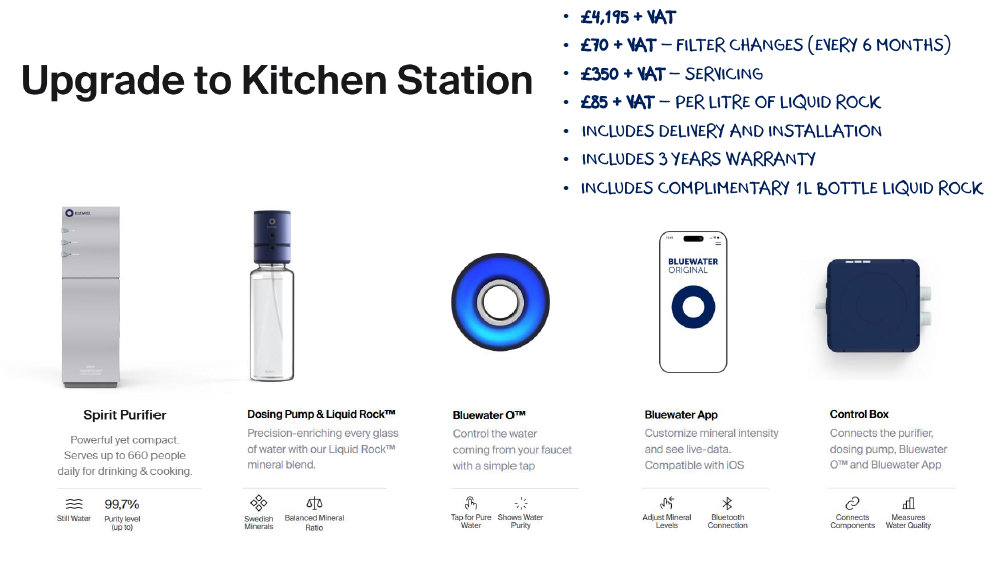
Aurmina is commonly installed alongside Kitchen Station filtration systems.
In this configuration:
- The Kitchen Station removes chlorine, sediment, and unwanted tastes
- Aurmina enhances the filtered water before it reaches the tap
This combination delivers:
- Clean water
- Balanced taste
- No water waste
- Minimal maintenance
For many UK households, this pairing provides a noticeable upgrade over filtration alone.
Lifestyle impact and hydration
One of the most overlooked benefits of Aurmina is behavioural rather than technical.
Many users report:
- Drinking more water
- Reaching for tap water instead of bottled water
- Improved hydration habits
This is not because Aurmina changes water chemistry, but because improved taste and mouthfeel make drinking water more enjoyable.
Misconceptions that cause confusion
Aurmina replaces water filters
It does not. Filtration remains essential for contaminant removal.
Aurmina adds minerals to water
It does not add or remove anything.
Aurmina works without filtration
It can operate without filtration, but results are best when water is already filtered.
Choosing the right solution for your home
Choose traditional water filtration if:
- Chlorine taste is strong
- Sediment is visible
- Water quality feels inconsistent
- Safety perception matters most
Consider adding Aurmina if:
- You already filter your water
- Filtered water tastes flat
- You value balance and smoothness
- You want zero maintenance
In many homes, the best solution is combining both.
Final conclusion:
Aurmina and traditional water filters are not competitors. They are complementary tools designed for different stages of water treatment.
Traditional water filters focus on removal. They make water safer, cleaner, and more consistent by taking unwanted substances out.
Aurmina focuses on optimisation. It improves how clean water tastes, feels, and is experienced without adding complexity or maintenance.
For UK households that want more than basic filtration, Aurmina represents a natural next step. Not as a replacement for filters, but as an enhancement to them.
The real question is not which system is better, but how far you want to take your relationship with the water you drink every day.
FAQs:
Is Aurmina a filter
No. It does not remove contaminants and should not be used as a standalone filter.
Can Aurmina replace my existing filter
No. It works alongside filtration, not instead of it.
Does Aurmina improve taste even after filtration
Yes. This is one of its primary benefits.
Does Aurmina require maintenance
No. It has no consumable parts or servicing needs.
Is Aurmina suitable for UK tap water
Yes, when used alongside appropriate filtration.
Can Aurmina reduce bottled water use
Yes. Many users stop buying bottled water after installation.

About the Author
Nick Smith | Founder | The Water Dr. & Cellthyhomes
Nick has dedicated years to studying building biology, healthy living environments, and the impact of environmental toxins on inflammation.
Whilst regulations for UK drinking water are slow to adapt, & influenced by conflicts of interest, Nick conduct comprehensive research on global regulations & scientific literature to offer water filtration solutions that provide clean drinking water free from all harmful contaminants.