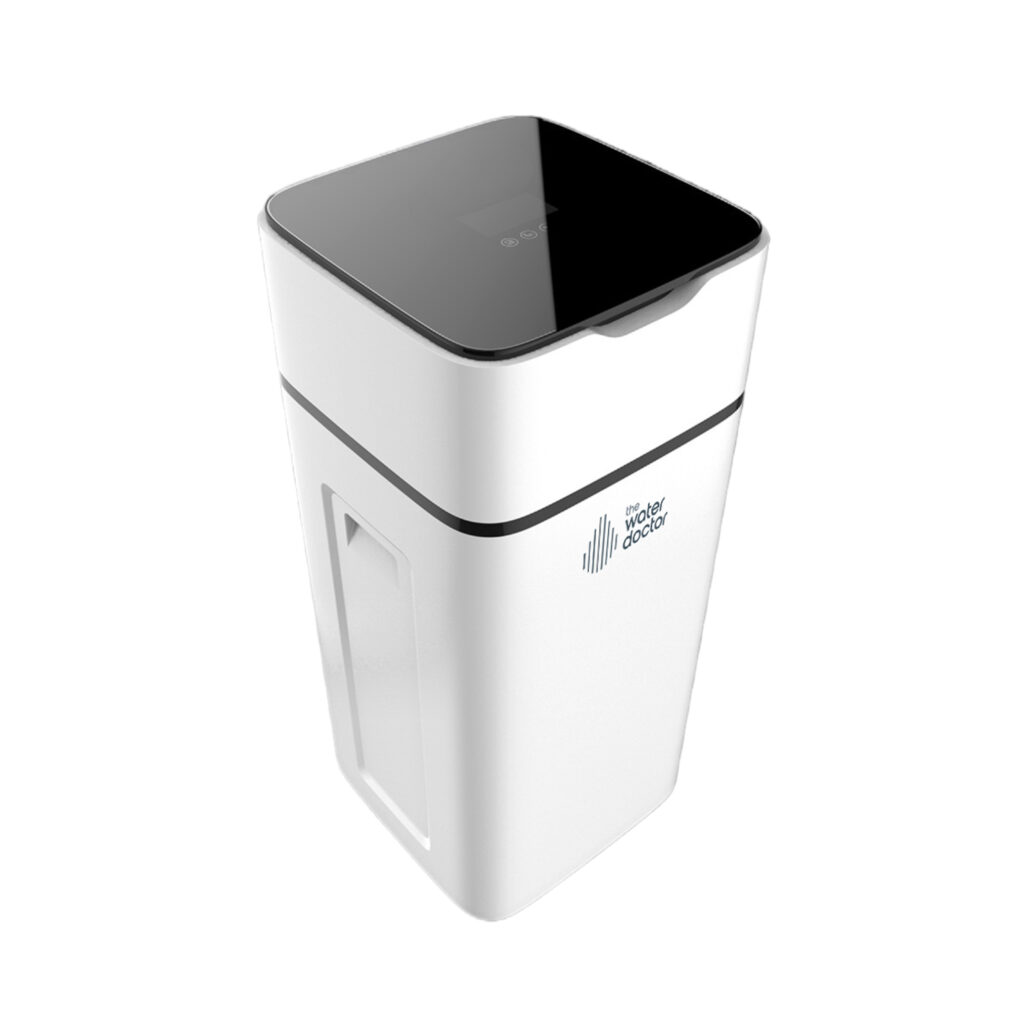
- Nick Water DR
- Published
- Updated March 31, 2026
- Water softening
Water softener buying checklist for landlords and tenants (warranty & legal points)
Lets read about water softener buying checklist for landlords and tenants what to check, costs to consider, and how to choose the right system.
Water softeners are no longer just a homeowner upgrade. In many UK rental properties, especially in hard water regions, they are becoming a practical tool for reducing boiler breakdowns, appliance failures, and ongoing maintenance disputes between landlords and tenants.
However, buying and installing a water softener in a rented property is not a simple purchase decision. Ownership, legal responsibility, warranty coverage, installation compliance, and maintenance obligations all need to be clearly understood before any system is fitted.
This guide provides a detailed, practical checklist for both landlords and tenants in the UK, helping avoid costly mistakes, voided warranties, and tenancy disputes.
Why water softeners matter in UK rental properties?
Large parts of England are supplied with hard or very hard water. London, the South East, East Anglia, the Midlands, Yorkshire, and parts of the South West are particularly affected.
Hard water causes:
- Limescale buildup inside boilers and heat exchangers
- Reduced energy efficiency
- Increased repair frequency
- Shortened appliance lifespan
- Higher long-term maintenance costs
In rental properties, these issues often lead to disagreements over responsibility. Tenants experience inconvenience, while landlords face repeated repair bills.
A properly selected water softener can significantly reduce these problems, but only if it is installed legally and managed correctly.
Step 1: Understand water softening vs water filtration
Before buying anything, both landlords and tenants should understand that water softening and water filtration serve different purposes.
Water softeners remove calcium and magnesium to prevent limescale. Filtration systems improve taste, reduce chlorine, and address contaminants.
Many disputes arise because the wrong system is installed for the wrong problem. This guide on water filtration vs water softener explains when softening is necessary and when filtration alone may be sufficient.
For hard water protection, softening is the relevant solution.
Step 2: Identify which type of water softener is appropriate
Salt-based water softeners
Salt-based systems use ion exchange to remove hardness minerals. They:
- Provide full limescale protection
- Require drainage and electricity
- Permanently modify plumbing
- Are recognised as true water softeners in the UK
Because of their permanent nature, these systems are almost always a landlord decision.
Salt-free water conditioners
Salt-free systems condition water without removing minerals. They:
- Do not prevent limescale completely
- Are easier to install and remove
- Require minimal maintenance
- Are often chosen by tenants
These systems are better suited to short-term occupancy or properties where plumbing changes are restricted.
Step 3: Legal responsibility and permission requirements
Landlord responsibilities
Under UK housing law, landlords are responsible for:
- Fixed plumbing
- Heating systems
- Boiler safety and efficiency
- Structural modifications
Installing a salt-based water softener counts as a permanent alteration. This means:
- The landlord must approve the installation
- The system usually becomes part of the property
- Responsibility for compliance lies with the landlord
Once installed, the softener should be listed in the property inventory.
Tenant responsibilities
Tenants:
- Must obtain written permission before altering plumbing
- Should not install salt-based systems without consent
- Are responsible for reversible installations they introduce
Even with salt-free systems, written approval is strongly recommended to avoid disputes at the end of the tenancy.
Step 4: Warranty ownership and transferability
Warranty terms are one of the most overlooked aspects of water softener purchases.
Salt-based system warranties
Most UK salt-based systems offer:
- 5 to 10 year parts warranties
- Conditions requiring professional installation
- Servicing requirements to keep coverage valid
The warranty usually follows the product rather than the occupant. This benefits landlords, as coverage remains intact even when tenants change.
Salt-free system warranties
Salt-free warranties are often:
- Shorter in duration
- Linked to the original purchaser
- Non-transferable
Tenants should check whether the warranty remains valid if the system is removed and reinstalled elsewhere.
Step 5: Maintenance responsibility must be agreed in writing
Unclear maintenance responsibility is one of the most common causes of system failure and warranty voids.
Salt-based systems
These require:
- Regular salt refills
- Monitoring of system operation
- Occasional professional servicing
Best practice in rental properties is:
- Tenants handle salt refills
- Landlords handle servicing and repairs
This arrangement should be written into the tenancy agreement.
Salt-free systems
Salt-free systems:
- Require minimal maintenance
- Carry lower risk of neglect
- Are easier for tenants to manage
This makes them more suitable where responsibility needs to remain simple.
Step 6: Installation compliance and building regulations
All water softeners installed in the UK must comply with:
- Water Supply Regulations
- Backflow prevention requirements
- Proper drainage standards
- WRAS approval where applicable
Salt-based systems should always be installed by a qualified professional. Poor installation can:
- Void warranties
- Cause leaks or drainage problems
- Create liability for water damage
Landlords should retain:
- Installation certificates
- Warranty documents
- Model and serial numbers
Step 7: Drinking water and health considerations
Salt-based water softeners increase sodium content slightly in softened water.
UK guidance recommends:
- A separate unsoftened drinking water tap
- Particularly for households with sodium-restricted diets
This is standard practice and should always be included in professional installations.
Salt-free systems do not alter sodium levels and do not require a bypass tap.
Step 8: Cost breakdown and who should pay
Typical UK costs
Salt-based systems:
- Unit cost: £500 to £1,500
- Installation: £300 to £800
- Annual running costs: £70 to £150
Salt-free systems:
- Unit cost: £400 to £1,200
- Installation: £150 to £400
- Annual running costs: £0 to £30
Cost responsibility
Landlords typically pay for:
- Salt-based systems
- Installation and compliance
- Long-term servicing
Tenants typically pay for:
- Salt-free systems
- Temporary solutions
- Running costs during occupancy
Step 9: Impact on property value and tenant satisfaction
Salt-based water softeners:
- Reduce long-term maintenance costs
- Protect boilers and heating systems
- Improve tenant comfort
- Increase property appeal in hard water areas
Salt-free systems:
- Offer limited long-term value
- Rarely affect property valuation
- Are better suited to short tenancies
Step 10: Documentation and tenancy agreement updates
Landlords should:
- Add the system to the inventory
- Specify maintenance responsibilities
- Clarify salt refill expectations
- Retain warranty documents
Tenants should:
- Keep written permission
- Retain purchase receipts
- Document removal at tenancy end if required
Practical checklist summary (expanded)
Checklist for landlords
Before installation:
- Confirm local water hardness level using official water supplier data
- Decide whether long-term boiler protection justifies a salt-based system
- Obtain multiple installation quotes from qualified professionals
- Verify WRAS approval and compliance documentation
During installation:
- Ensure a bypass drinking water tap is included
- Confirm correct drainage connection
- Record model, serial number, and installation date
After installation:
- Add the system to the property inventory
- Specify servicing and salt responsibilities in the tenancy agreement
- Retain all warranty and installation paperwork
- Schedule periodic servicing reminders
Long-term management:
- Monitor boiler performance improvements
- Track reduced maintenance costs
- Use the system as a property marketing benefit in hard water regions
Checklist for tenants
Before purchase:
- Check tenancy agreement for plumbing restrictions
- Obtain written landlord permission
- Confirm whether the system is reversible
- Review warranty terms carefully
During installation:
- Avoid permanent pipe alterations
- Keep receipts and documentation
- Photograph installation for records
During tenancy:
- Follow maintenance instructions
- Replace salt only if responsible
- Report issues promptly
At end of tenancy:
- Remove system if required
- Restore plumbing to original condition
- Provide proof of proper removal
FAQs:
Can a tenant install a water softener without landlord permission?
Permanent installations require explicit landlord approval. Even salt-free systems should be approved in writing to avoid deposit disputes.
Who legally owns a water softener once installed?
Salt-based systems usually become part of the property and are owned by the landlord. Salt-free systems generally remain tenant property unless agreed otherwise.
Are landlords legally required to install water softeners?
No. However, in hard water areas, installing one may reduce long-term maintenance costs and boiler repairs.
Can installing a water softener void a boiler warranty?
Yes. Incorrect installation or lack of servicing can void boiler warranties. Professional installation is essential.
Who pays for salt refills?
This should be clearly stated in the tenancy agreement. In most cases, tenants pay for salt while landlords cover servicing.
Can a water softener increase rent value?
In hard water regions, properties with salt-based systems may justify slightly higher rent due to reduced maintenance and improved comfort.
Are water softeners considered appliances under tenancy law?
They are classified as water treatment equipment, but installation must comply with plumbing and water supply regulations.
What happens if a tenant neglects maintenance?
Neglect can cause system failure and potential damage. Responsibility should be clearly defined to avoid disputes.
Should landlords insure water softeners separately?
In most cases, they are covered under building insurance once installed as a fixed system, but confirmation is recommended.

About the Author
Nick Smith | Founder | The Water Dr. & Cellthyhomes
Nick has dedicated years to studying building biology, healthy living environments, and the impact of environmental toxins on inflammation.
Whilst regulations for UK drinking water are slow to adapt, & influenced by conflicts of interest, Nick conduct comprehensive research on global regulations & scientific literature to offer water filtration solutions that provide clean drinking water free from all harmful contaminants.