Water safety in the UK is generally high, but that does not mean contamination risks are zero. Ageing infrastructure, private water supplies, agricultural runoff, and occasional treatment failures can introduce biological risks into household water.
For homeowners concerned about bacteria, viruses, and microorganisms in their water supply, whole house UV water filtration systems offer a powerful solution. Unlike traditional filters that remove particles and chemicals, UV systems neutralise biological contaminants without altering water chemistry.
This guide explains what a whole house UV water filtration system is, how it works, when it is needed, and how it fits into a broader water treatment setup.
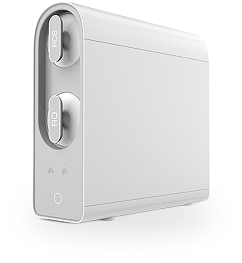
What is a UV Pro’ Ultraviolet whole water filtration system?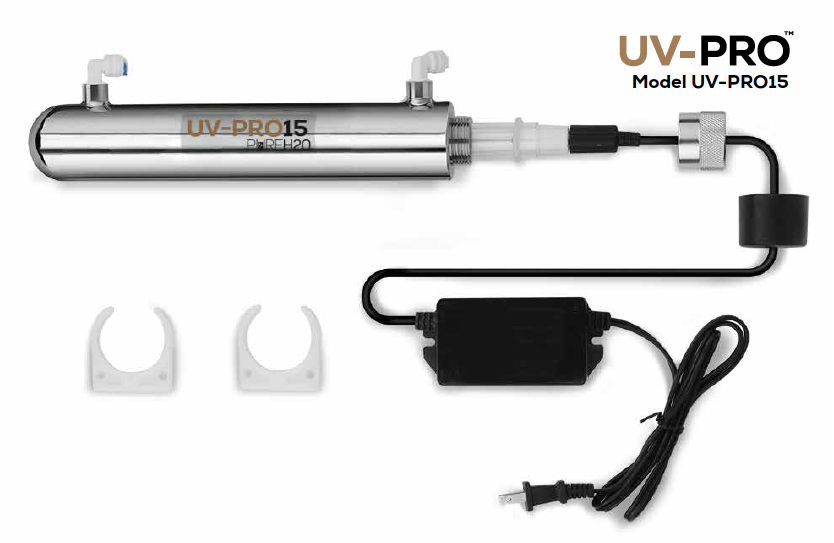
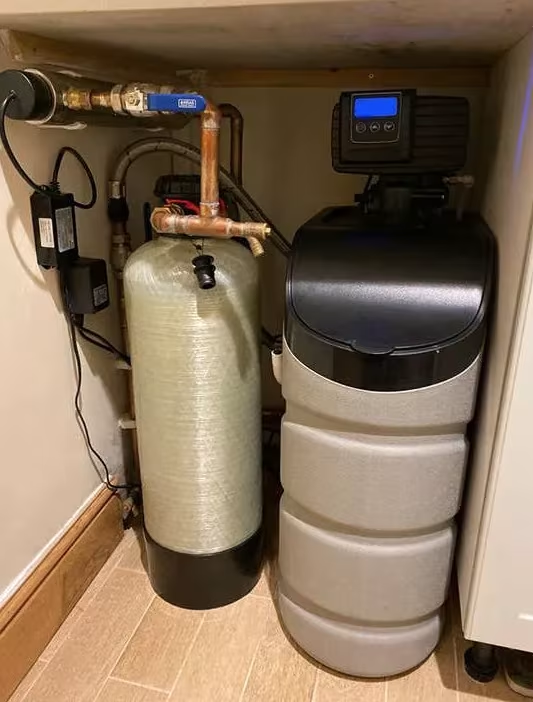
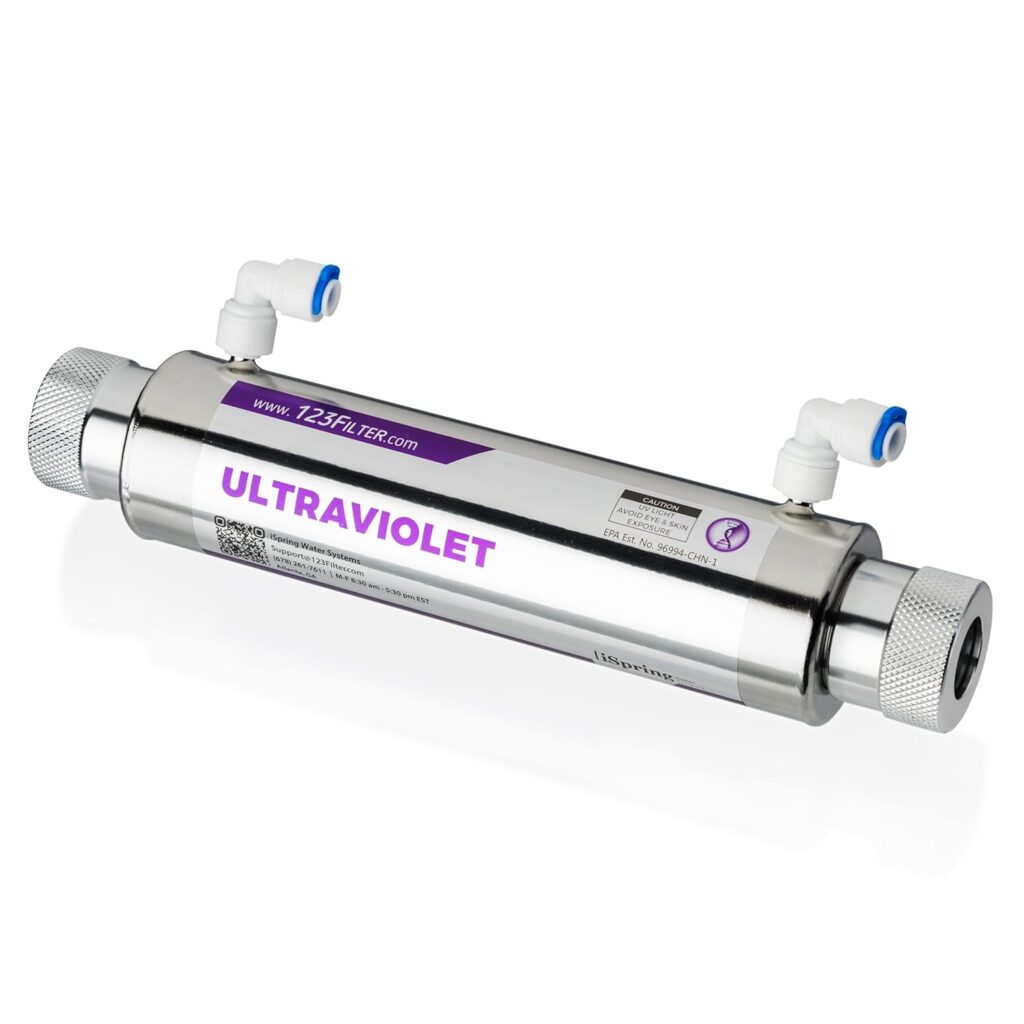
A whole house UV Pro water filtration system is a point-of-entry purification device installed where mains water enters the home. It uses ultraviolet light to disinfect water before it reaches taps, showers, and appliances.
Unlike carbon filters or sediment filters, UV systems do not physically remove contaminants. Instead, they neutralise microorganisms by disrupting their DNA, preventing them from reproducing or causing infection.
A whole house UV system treats all water entering the property, meaning:
- Shower water is disinfected
- Bath water is disinfected
- Kitchen and bathroom taps are disinfected
- Laundry water is disinfected
This makes UV systems especially relevant for homes relying on private wells or those seeking additional protection beyond municipal treatment.
Why biological contamination matters
Biological contaminants include:
- Bacteria such as E. coli
- Viruses
- Protozoa such as Cryptosporidium
- Other microorganisms
While UK municipal water is disinfected with chlorine, chlorine does not eliminate every possible biological risk. Additionally, contamination can occur within older plumbing systems.
UV filtration provides an additional layer of security without adding chemicals to the water.
How does a whole house UV system work?
UV water filtration works through controlled exposure to ultraviolet light inside a sealed chamber.
Step 1: Pre-filtration
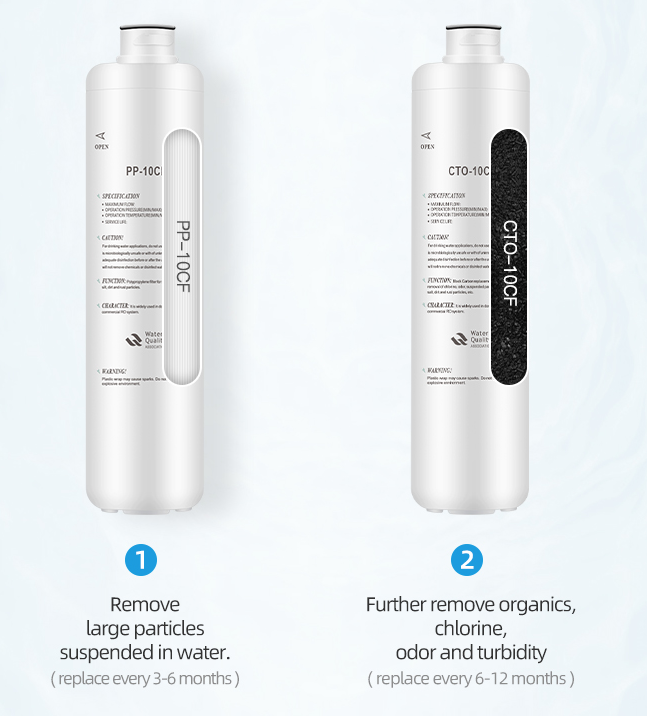
Before water reaches the UV chamber, it typically passes through sediment and carbon filters.
Pre-filtration removes:
- Dirt and debris
- Sediment
- Particulates
- Chlorine that could interfere with UV performance
Clear water is essential because particles can block UV light and reduce effectiveness.
Step 2: UV chamber exposure
Water flows through a stainless steel chamber containing a UV lamp encased in a protective quartz sleeve.
As water passes through:
- Ultraviolet light penetrates microorganisms
- DNA and RNA are disrupted
- Microorganisms lose the ability to reproduce
This process does not remove the organism physically. Instead, it renders it harmless.
Step 3: Treated water distribution
After UV exposure, water flows directly into the household plumbing system.
No chemicals are added. No taste is altered. No minerals are removed.
The result is disinfected water throughout the home.
What contaminants does UV remove?
UV systems are designed specifically for biological contaminants.
They are highly effective against:
- Bacteria
- Viruses
- Protozoa
However, UV does not remove:
- Sediment
- Heavy metals
- Dissolved salts
- Chlorine
- Chemical contaminants
For this reason, UV systems are typically installed as part of a layered treatment approach rather than as standalone systems.
Whole house UV vs carbon filtration
Carbon filtration focuses on:
- Chlorine reduction
- Taste and odour improvement
- Organic chemical reduction
UV focuses on:
- Biological disinfection
These two technologies serve completely different purposes and often work best together.
If you are unsure how filtration types water filtration vs. water softener compare, see
Whole house UV vs reverse osmosis
Reverse osmosis removes dissolved contaminants using membrane technology. It is highly effective for heavy metals, nitrates, and dissolved solids.
UV does not remove dissolved contaminants but neutralises biological risks.
Reverse osmosis is typically used at the kitchen tap, while UV systems treat water for the entire home.
In many homes, UV and reverse osmosis serve complementary roles.
When is a whole house UV system necessary?
A whole house UV system is particularly useful for:
- Homes using private wells
- Rural properties
- Homes with suspected biological contamination
- Properties with vulnerable occupants
- Homes seeking chemical-free disinfection
In urban municipal supply areas, UV may not always be necessary, but some homeowners install it as an added precaution.
What are the benefits of whole house UV filtration?
Chemical-free disinfection
UV systems disinfect water without chlorine or additives.
No taste or odour change
Unlike chemical disinfection, UV does not affect flavour.
Continuous protection
As long as the lamp is functioning, protection is constant.
Low environmental impact
UV systems do not produce wastewater and use minimal electricity.
Installation considerations
Whole house UV systems are installed at the point of entry. Installation typically requires:
- Pre-filtration stage
- Electrical outlet
- Adequate mounting space
- Professional plumbing integration
Proper installation ensures consistent flow and correct UV exposure time.
What will be the maintenance requirements?
UV systems require ongoing maintenance to ensure effectiveness.
Lamp replacement
UV lamps must be replaced annually even if they still illuminate. UV intensity decreases over time.
Quartz sleeve cleaning
Mineral buildup on the sleeve can reduce UV penetration.
Pre-filter replacement
Pre-filters must be maintained to ensure water clarity before UV exposure.
Skipping maintenance reduces system effectiveness.
Energy consumption
UV systems use electricity to power the lamp continuously.
However, energy usage is relatively low and comparable to a small light bulb operating continuously.
Cost considerations in the UK
Whole house UV systems involve:
- Initial installation cost
- Annual lamp replacement
- Pre-filter maintenance
While costs vary, they are often reasonable compared to the value of biological protection across the entire home.
Final conclusion
A whole house UV water filtration system provides powerful biological protection by neutralising harmful microorganisms before water reaches taps, showers, and appliances. It does so without chemicals, without changing taste, and without removing beneficial minerals.
UV systems are not standalone solutions for chemical or dissolved contaminants. Instead, they form part of a comprehensive water treatment strategy that may include sediment filtration, carbon filtration, softening, or point-of-use purification systems.
For households seeking chemical-free disinfection and peace of mind, particularly in properties with private water supplies or ageing infrastructure, whole house UV filtration offers a reliable and effective solution.
FAQs: Whole house UV water filtration systems
Does UV kill all bacteria?
UV neutralises most harmful bacteria when properly installed and maintained.
Does UV change water taste?
No. It does not affect taste or smell.
Can UV remove limescale?
No. It does not affect hardness minerals.
How often should the UV lamp be replaced?
Typically once per year.
Is UV safe?
Yes. The light is contained within a sealed chamber and does not expose occupants.

About the Author
Nick Smith | Founder | The Water Dr. & Cellthyhomes
Nick has dedicated years to studying building biology, healthy living environments, and the impact of environmental toxins on inflammation.
Whilst regulations for UK drinking water are slow to adapt, & influenced by conflicts of interest, Nick conduct comprehensive research on global regulations & scientific literature to offer water filtration solutions that provide clean drinking water free from all harmful contaminants.