Reverse osmosis has become one of the most talked-about water filtration technologies in the UK. As awareness grows around drinking water contaminants, ageing infrastructure, and the limits of standard filtration, more homeowners are considering RO as a long-term solution.
One of the biggest points of confusion is whether to install an under-sink reverse osmosis system or a whole-house reverse osmosis system. On paper, whole-house RO may appear to offer complete protection, while under-sink systems seem limited. In practice, the financial and practical differences between the two are substantial.
This article compares under-sink reverse osmosis and whole-house reverse osmosis in detail, with a strong focus on real UK household usage, costs, efficiency, and long-term value.
The goal is to clearly answer one question: which option actually saves you money over time.
Understanding the two system types
Before comparing costs, it is essential to understand how these systems are designed and what they are intended to do.
What is an under-sink reverse osmosis system?
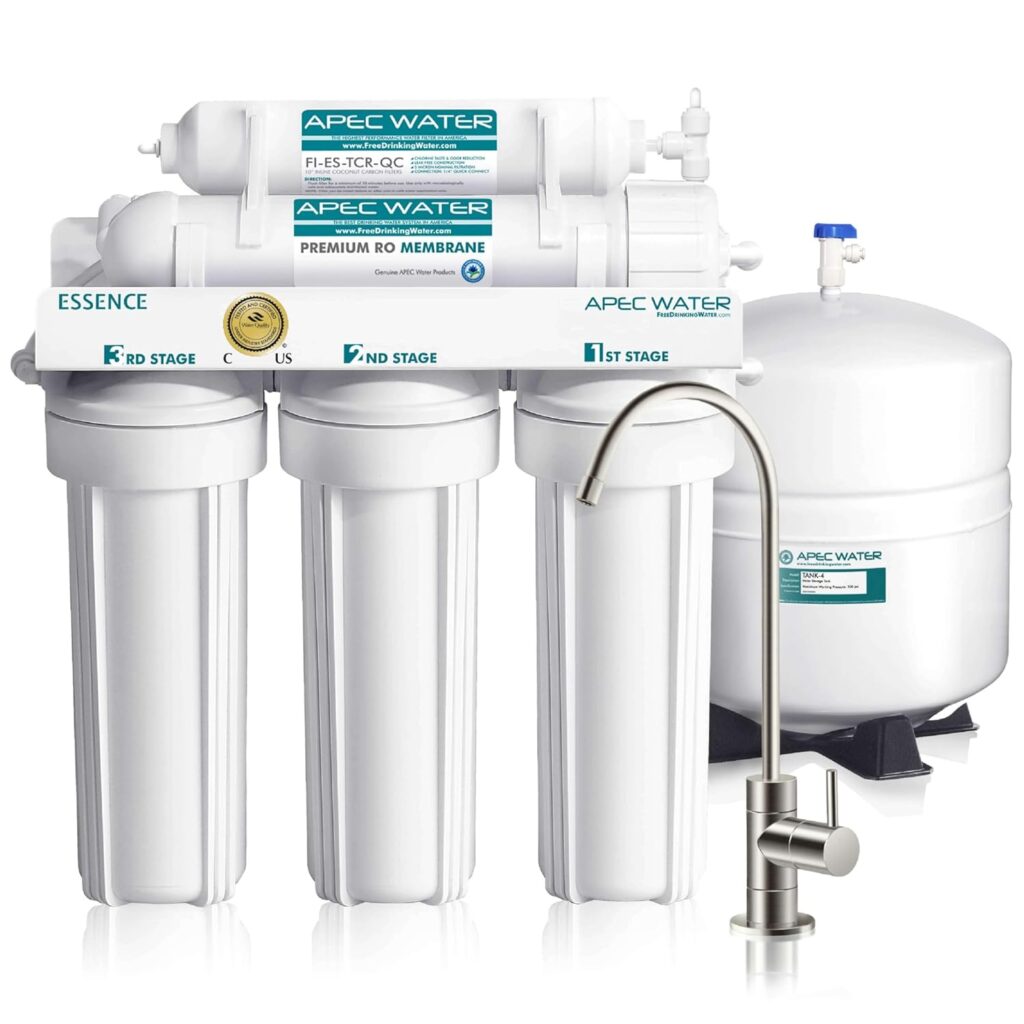
An under-sink reverse osmosis system is installed beneath the kitchen sink and supplies filtered water to a dedicated drinking tap. It treats only the water used for drinking, cooking, and food preparation.
Key characteristics:
- Filters a single tap
- Uses a storage tank to compensate for slow filtration
- Lower daily water demand
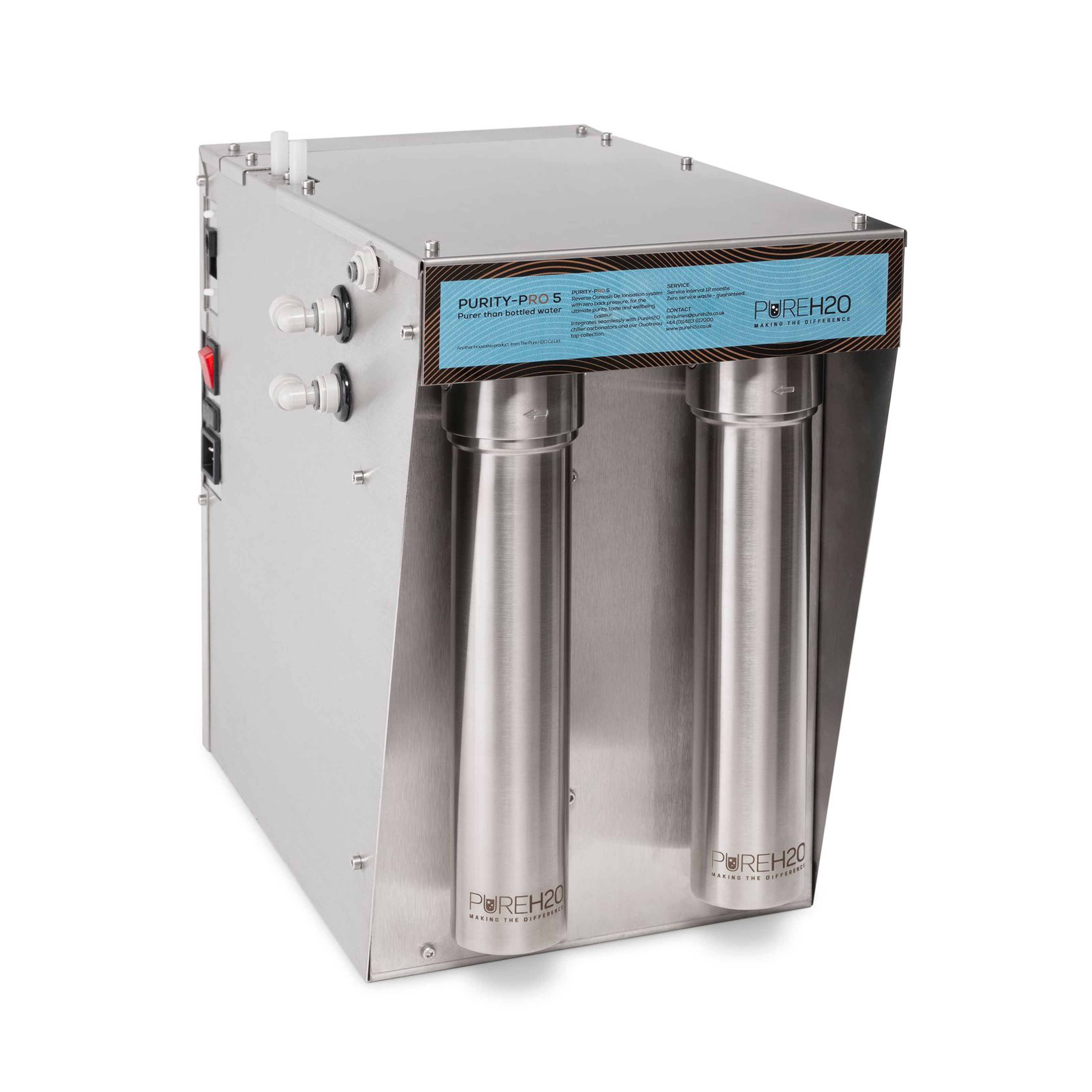
- Smaller membranes and filters
- Designed specifically for potable water
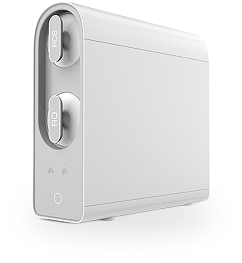
- Available in traditional tank-based or modern tankless designs.
- Compatible with 3-way triflow taps to avoid drilling separate holes.
This is the most common reverse osmosis setup in UK residential properties because it targets the water that actually matters most.
What is a whole-house reverse osmosis system?
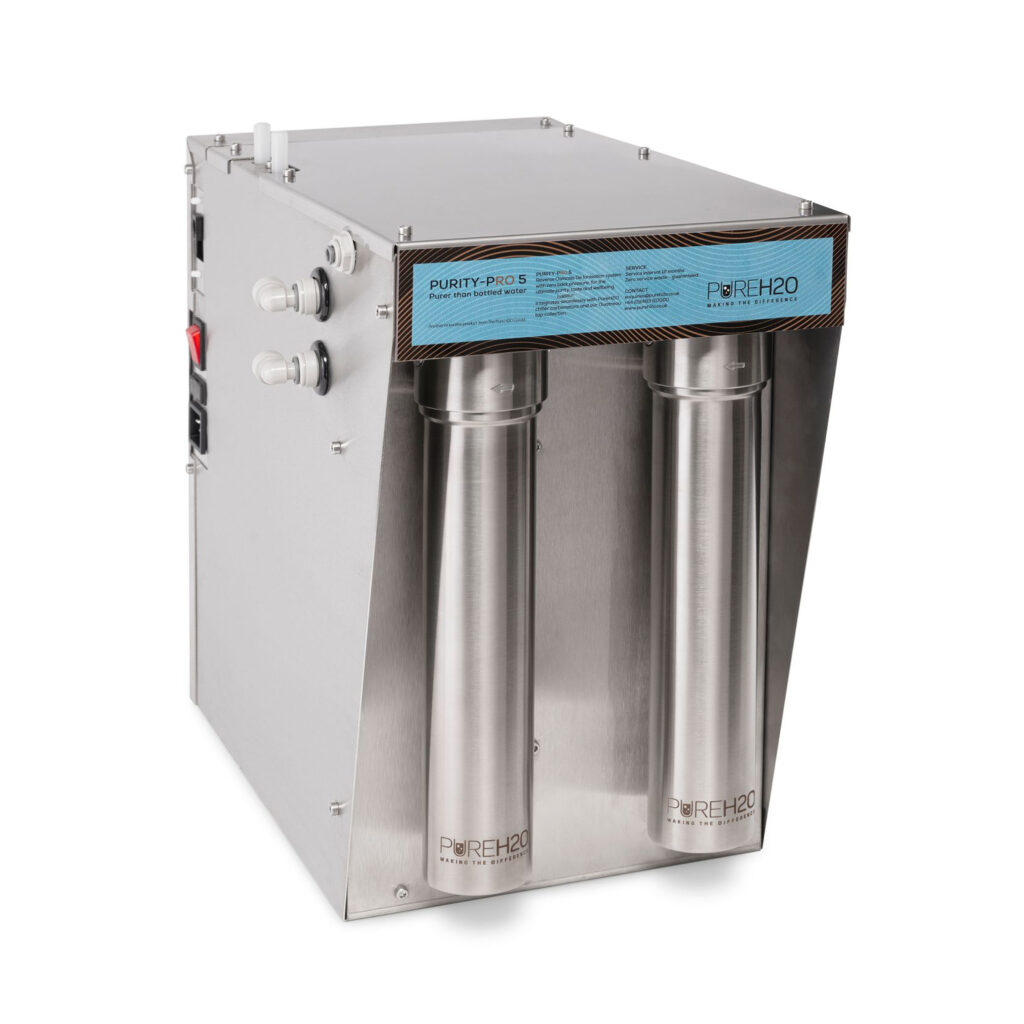
A whole-house reverse osmosis system treats all water entering the property before it reaches any tap, appliance, or pipe.
Key characteristics:
- Filters the entire household water supply
- Requires high-capacity membranes
- Uses large storage tanks and pumps
- High water demand and waste
- Complex installation and maintenance
- Requires professional installation, space for equipment, and may involve permits
Whole-house RO systems are rarely installed in standard UK homes and are usually reserved for specialist or industrial-style applications.
Upfront purchase and installation costs in the UK
Under-sink reverse osmosis costs
Under-sink systems are relatively affordable and easy to install.
Typical UK pricing:
- System cost: £250 to £900
- Installation: £150 to £400
Total upfront cost:
£400 to £1,300
Most kitchens can accommodate these systems without structural changes. Installation usually involves adding a small drinking water tap and connecting to existing plumbing.
Whole-house RO systems are significantly more expensive due to their scale and complexity .
Typical UK pricing:
- System cost: £2,500 to £6,000
- Installation: £1,000 to £3,000
- Pre-treatment filtration often required
- Large pressure tanks and pumps needed
Total upfront cost:
£3,500 to £9,000 or more
In many homes, space constraints and plumbing modifications increase costs further.
Water usage and waste comparison
Water waste is one of the most important cost factors when comparing reverse osmosis systems.
Under-sink RO water waste
Under-sink systems typically waste:
- 2 to 4 litres of water for every 1 litre of purified water
Because these systems only treat drinking water, total daily waste remains relatively low.
Example:
- Household uses 8 to 10 litres of RO water per day
- 16 to 40 litres of wastewater per day
- £40 to £90 per year added to water bills
This level of waste is manageable for most UK households.
Whole-house RO water waste
Whole-house RO systems treat every litre of water entering the home, including water used for:
- Toilets
- Showers and baths
- Washing machines
- Outdoor taps
Even with efficient membranes, waste multiplies rapidly.
Example:
- Household uses 350 to 450 litres of water per day
- Hundreds of litres wasted daily
- Thousands of litres wasted monthly
This often leads to a significant increase in water bills, making whole-house RO financially impractical for most homes.
Modern Physical Features and Technology Gaps
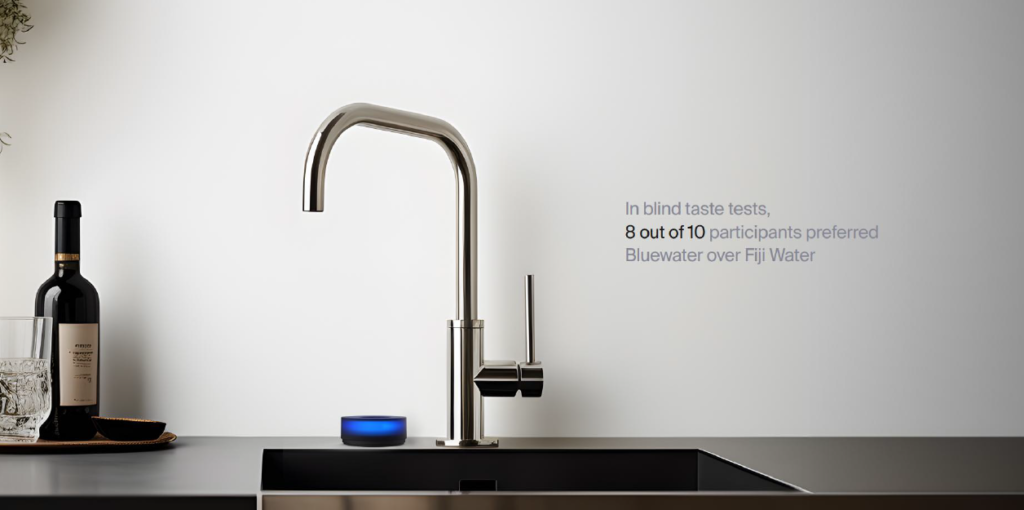
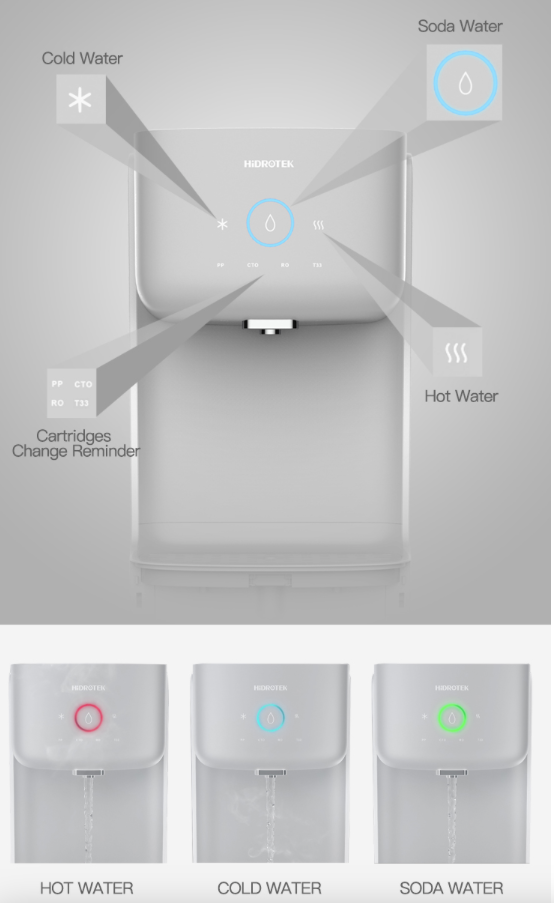
Most reverse osmosis systems can be used in conjunction with 3-way taps, providing fresh filtered water without the need for a separate tap. TDS monitoring and smart faucets: High-end under-sink systems now include built-in digital displays on the tap to show the purity of your water in real time.
Electricity usage and system complexity
Under-sink systems
Most under-sink systems:
- Rely on mains pressure
- May include a small booster pump
- Add £0 to £15 per year in electricity costs
Their simplicity keeps long-term costs predictable.
Whole-house systems
Whole-house RO systems:
- Use multiple pumps
- Operate frequently throughout the day
- Require control systems and sensors
Electricity costs are higher and compound over time, especially in larger households.
What will be the filter replacement and maintenance costs?
Under-sink reverse osmosis maintenance
Typical annual maintenance costs:
- Pre-filters and carbon filters: £30 to £60
- Post-filter: £15 to £30
- RO membrane every 2 to 5 years: £60 to £150
Average annual cost:
£60 to £120
Maintenance is straightforward and often handled by homeowners.
Whole-house reverse osmosis maintenance
Whole-house systems use:
- Large membranes
- Multiple filter stages
- Higher flow components
Typical annual costs:
- Filters and membranes: £300 to £800
- Professional servicing often required
Maintenance alone often exceeds the total annual cost of an under-sink system.
Suitability for UK water conditions
Most UK water quality issues do not require whole-house reverse osmosis.
Problems such as:
- Chlorine taste
- Organic compounds
- General water quality concerns
Are often better addressed with whole-house filtration rather than whole-house RO.
This distinction is explained in water filtration vs water softener: which solution is right for you and whole-house filtration guide.
Impact on plumbing, appliances, and water chemistry
Whole-house RO removes minerals from all household water. This can:
These effects are discussed in hungry water and the universal solvent.
Under-sink RO avoids these issues by limiting mineral removal to drinking water only.
Health and drinking water considerations
Reverse osmosis removes both harmful contaminants and beneficial minerals.
With whole-house RO:
- All water lacks minerals
- Remineralisation becomes necessary
- Costs and complexity increase
Under-sink systems often include remineralisation filters for drinking water only, balancing purity and taste.
Health considerations are explored in safe vs healthy drinking water.
Which system saves you money long term?
Under-sink reverse osmosis saves money when
- Only drinking water requires purification
- Water bills matter
- Space is limited
- Maintenance simplicity is preferred
For most UK homes, under-sink RO offers the best balance of cost and benefit.
Whole-house reverse osmosis may make sense when
- Severe contamination affects all water
- Specialist or industrial needs exist
- Water chemistry demands total treatment
- Cost is not a limiting factor
These situations are rare in typical UK households.
Practical cost comparison summary
| Factor |
Under-sink RO |
Whole-house RO |
|
Upfront cost
|
£400 to £1,300 |
£3,500 to £9,000 |
| Annual running cost |
£100 to £300 |
£500 to £1,500+ |
| Water waste |
Low |
Very high |
| Maintenance effort |
Moderate |
High |
| Suitability for UK homes |
High |
Low |
| Long-term value |
Strong |
Limited |
Conclusion:
When comparing under-sink reverse osmosis and whole-house reverse osmosis, the difference is not just technical, it is financial, practical, and long term. While both systems use the same core technology, their impact on household costs, water usage, and maintenance could not be more different.
For most UK homes, under-sink reverse osmosis offers the most sensible balance between water quality improvement and affordability. It focuses filtration where it matters most, drinking and cooking water, while keeping water waste, electricity use, and maintenance costs under control. With typical annual running costs between £100 and £300, under-sink systems provide measurable value without placing pressure on water bills or household infrastructure.
Whole-house reverse osmosis, by contrast, is rarely cost effective in standard residential settings. Treating every litre of water dramatically increases water waste, energy consumption, and maintenance requirements. Upfront costs are high, ongoing expenses are substantial, and additional risks such as aggressive low-mineral water and plumbing impact must be carefully managed. For the average UK household, these drawbacks outweigh the benefits.
The key takeaway is that reverse osmosis should be applied precisely, not excessively. Clean drinking water does not require whole-house treatment in most cases. Combining under-sink reverse osmosis for drinking water with appropriate whole-house filtration for general water quality delivers better results at a fraction of the cost.
Ultimately, the system that saves you money is the one that matches your actual needs. For the vast majority of UK households, that system is under-sink reverse osmosis.
FAQs:
Which reverse osmosis system is cheaper to run in the UK
Under-sink reverse osmosis systems are far cheaper to run because they only filter drinking water. Whole-house RO treats every litre of water and multiplies waste, energy use, and maintenance costs.
Does whole-house RO provide better health protection
Not necessarily. Drinking water quality is the main health concern. Whole-house RO rarely improves outcomes compared to under-sink RO combined with proper filtration.
Can whole-house RO damage plumbing or appliances
Yes. Low-mineral water can be aggressive and may increase corrosion risk if not properly managed with remineralisation.
Is whole-house reverse osmosis environmentally friendly
No. High water waste and energy use make it resource-intensive compared to other filtration methods.
Can I combine under-sink RO with whole-house filtration
Yes. This is often the most cost-effective setup for UK homes and delivers better overall results.
How long do under-sink RO systems last
With proper maintenance, most systems last 10 to 15 years.
Is whole-house RO ever required in residential UK homes
Only in rare cases involving severe contamination or specialist requirements.
Does under-sink RO affect water pressure
No. It supplies a separate tap and does not affect household pressure.
Does under-sink RO remove fluoride and PFAS?
Yes. Both systems are effective at removing tough contaminants like arsenic, lead, nitrates, and PFAS.
Which system adds more value to a property
Under-sink RO adds practical value without complexity. Whole-house RO rarely adds resale value.
Will an under-sink system take up too much space?
Space management is a primary concern for homeowners. Under-sink systems are much more budget friendly and take up significantly less space than a whole-house unit.